
It’s been a month living in this great city. I’ve seen a lot of things, been in numerous neighborhoods, meet incredible people. Yet my favorite moment still remains the night I moved in.
Minutes after I set my things down in my new room, my roomate (a big fan of baseball and a bigger fan of Detroit) and I decided to go to the most famous corner in Detroit, Michigan and Trumbull. There isn’t much there now, a large piece of open land with part of it dedicated to a makeshift baseball diamond with a few scattered benches and picnic tables.
But I can remember what it was when Tiger Stadium was there.
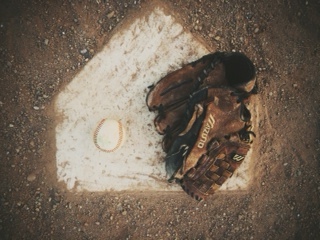
It was a place where I fell in love with baseball. A place where I made memories with my Dad and brothers. A place where baseball greats played. Al Kaline roamed right field, Alan Trammel and Lou Whitaker turned beautiful double plays, and Mickey Lolich mesmerized from the mound. Babe Ruth played there. Ted Williams played there. Hank Aaron played there. It was a living baseball history museum.
Not only was great baseball played there (if you ignore most of the 90’s), but it was a place where all of Detroit came together. Black and white, rich and poor, all walks of life. The Corner, as it was nicknamed, was spot that Detroit congregated. In 1968, with a city divided, the Tigers and Tiger stadium cut through racial tensions and political and financial turmoil to bond the city. In 1984, Tiger Stadium provided a place where a region reeling from job loss could lose themselves in a team that would win the Tiger’s most recent World Series.
Sports has always had the ability to bring people together and to normalize things after turmoil or tragedy. Michigan and Trumbull did this for Detroit, until 1999 when the Tigers played their last game there. In 2000, Comerica Park opened and the decline of Tiger Stadium began, ultimately leading a total tear down of a once city jewel.
I thought a lot about what this spot meant to the city as I played catch with my friend. I stood where Babe Ruth stood, fielded grounders where Alan Trammel did, and ran the bases like Ty Cobb. We happened to talk to a man who is part of the Navin Field Grounds Crew, a group of volunteers that keeps up the city owned lot. We talked about Detroit, and about the new development that will be coming soon to The Corner, and about the need to keep tradition in this city while accepting change. We talked baseball, talked about living in Detroit, and why this parcel of land meant so much.
It’s still my favorite moment since being in the city. It reminded me of the city’s past, got me excited about the city’s future, and reminded me that two strangers from two different paths can still bond at The Corner.