
Our team’s design prompt was, “How might we design a structured, scalable framework for DLBA that helps small-scale developers and general contractors transition to mid-size multifamily projects while mitigating risk and building long-term local capacity?”
Before we dive into the details of the project, we want to clarify how we define these key terms:
- Small scale developers/general contractors (GC’s): Local firms already doing housing work, usually single-family homes, duplexes, repairs, or small rehabs.
- Capacity: The resources and systems a contractor needs to scale, including money, paperwork, project management, subcontractors, insurance, and bonding.
- Transition: The move from small housing projects, like 1–2 units, to larger mid-size projects, usually 3 or more units.
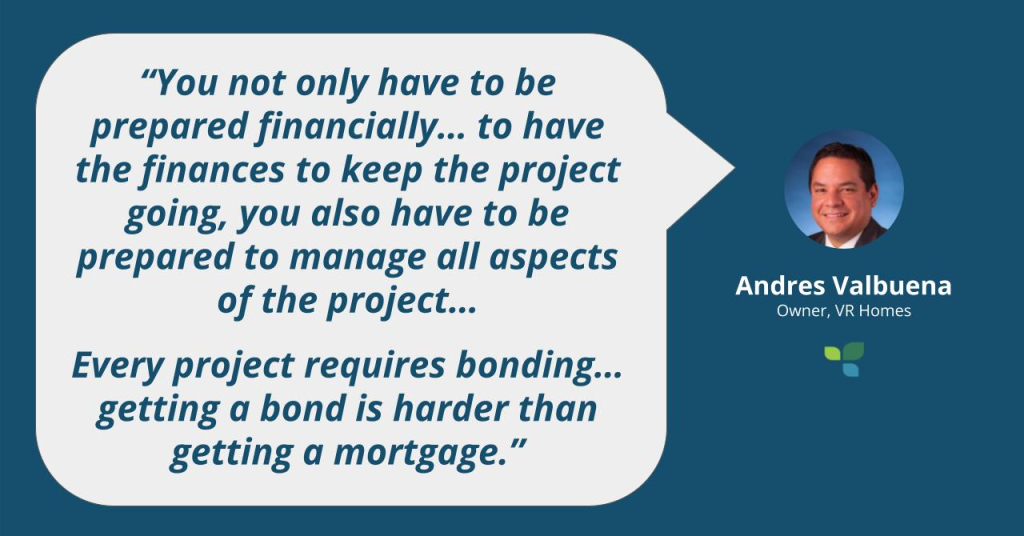
Through conversations with contractors and stakeholders, we learned that many small-scale developers and general contractors have the technical skills needed for housing work but face challenges scaling into larger projects due to limited business capacity, financing, bonding, and project management systems. Richard Salem, Owner of Prime Renovation & Construction shared that many skilled contractors “don’t have the business knowledge,” while Andres Valbuena, Owner of VR Homes, emphasized how difficult bonding and financial preparedness can be.
These insights shaped our deliverables, including a Contractor Readiness Survey and a Contractor Scaling Framework Plan. The survey helps identify contractors’ current strengths, gaps, and readiness for larger projects, while the framework outlines pathways for growth across three stages—entry, mid and high-level. Our team leveraged our stakeholder interviews coupled with industry research to sort the key struggles businesses face when trying to scale, and we identified the common themes that fall into each of these stages:
- At the entry stage, contractors struggle with back office and business systems, and deal with bonding and insurance barriers.
- At mid-stage, contractors struggle with cash flow gaps and delayed payment, shortage of reliable/licensed sub-contractors, capital readiness and lender access, and a lack of clear contractor growth pathway.
- At the high-level stage, contractors struggle with scope complexity, scope clarity and preconstruction gaps, and compliance with heavy work.
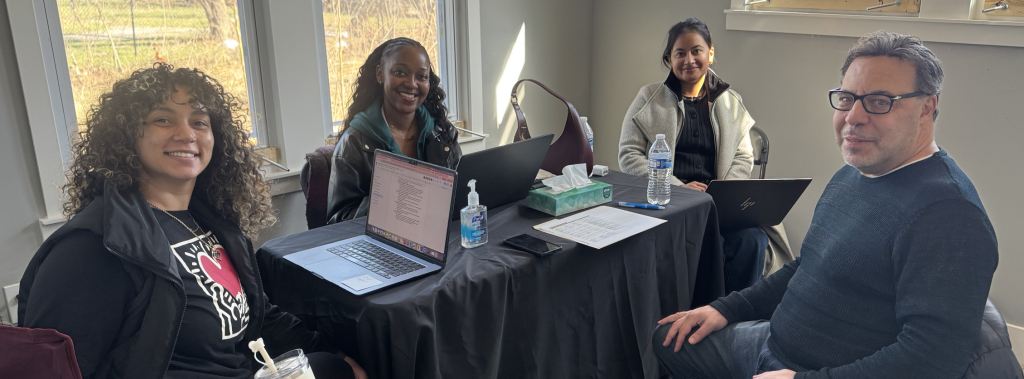
Interviewing Richard Salem, Owner of Prime Renovation & Construction—one of the companies that DLBA works with.
An example of a framework pathway our team created is focused one of the barriers for early stage contractors that we kept hearing over and over again. Bonding and insurance remain among the most significant barriers for contractors operating in Detroit. The local construction environment presents a distinctive mix of regulatory requirements, financial underwriting standards, and market-driven risk perceptions that make access to bonding capacity and affordable insurance difficult, even for technically skilled contractors. To address these barriers, a practical mitigation strategy includes developing a structured “bonding readiness” pathway that improves contractor preparedness for surety underwriting. This would involve targeted surety education, stronger relationships with insurance and bonding partners, improved financial reporting, and increased utilization of local and state support programs designed to expand access to contracting opportunities.
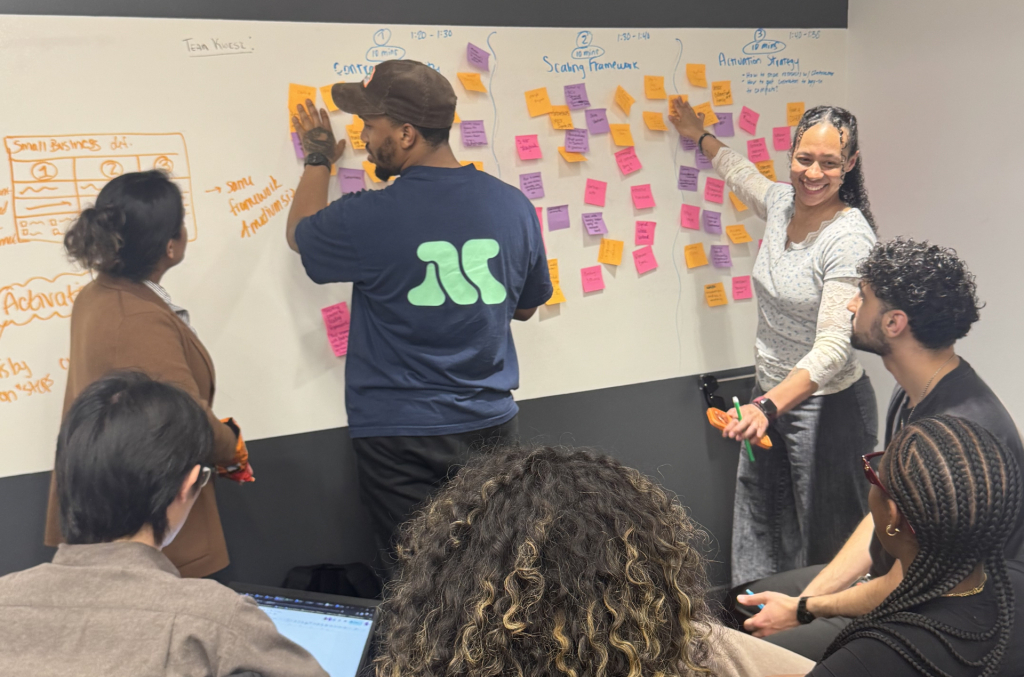
Ideating!
Finally, we created an idea bank that houses all additional thoughts and potential implementations from our ideation. We wanted to document not only what could be useful immediately, but also note additional recommendations, potential program expansions, and long term ideas that the DLBA can develop in the future.

A highlight of this experience was collaborating directly with nonprofit partners, contractors, and community stakeholders whose perspectives grounded our work in real community needs. Their insights reinforced that strengthening neighborhoods requires investing not only in housing, but also in the local contractors and businesses helping build stronger communities. Thanks to our liaison Justina Jeffers, Veronica Johnson, and the rest of the DLBA team for guiding us throughout this process.
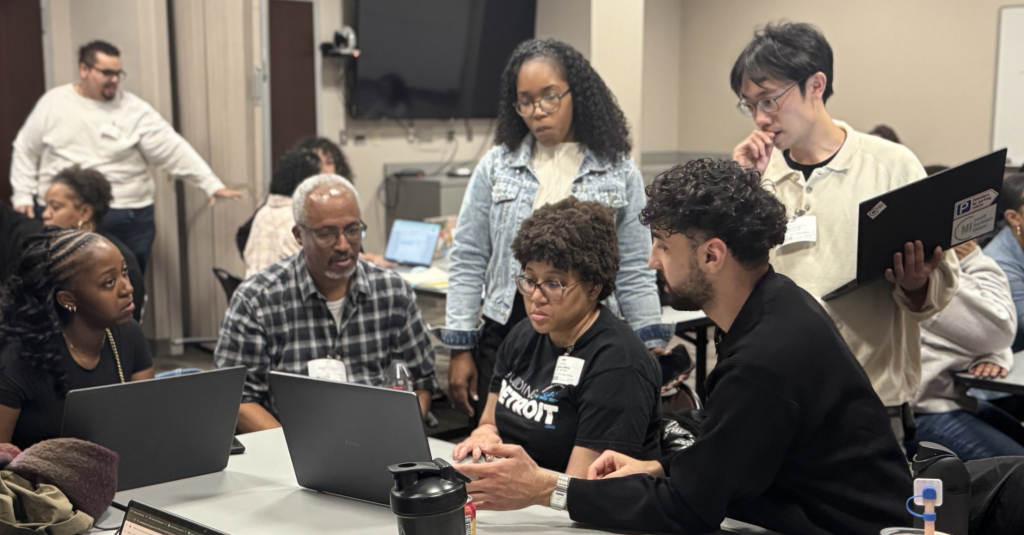
DLBA staff Robert Saxon (in the plaid shirt), Veronica Johnson (standing), and Justina Jeffers (middle, sitting in front of Veronica) giving the our team feedback on our deliverables.
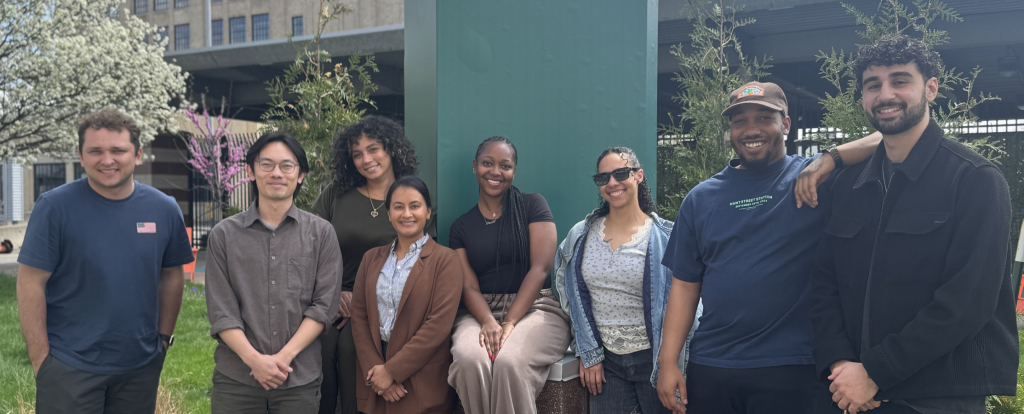
Our team!
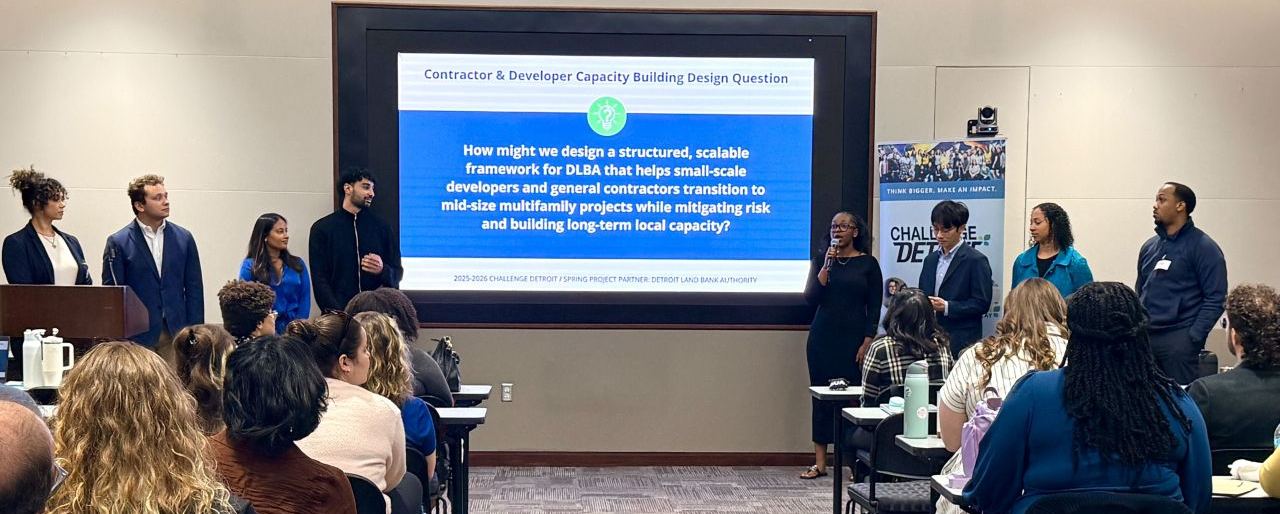
Presentation Day (Photo courtesy of AAA Auto Club Group).