I was one of those DPS students that always did poorly in social studies, especially when it came to government and politics. I just didn’t connect with it. I always mixed up the years of important wars or forgot the names of the different bodies of government. Because of this, my knowledge base for all things politics and government has been relegated to a few lessons learned from School House Rock music videos. But Detroit has provided me with some pretty amazing opportunities for invaluable lessons in politics, government and policy this past month!
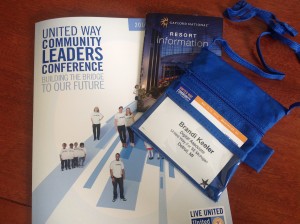
One opportunity was through my amazing host company, United Way for Southeastern Michigan. I never thought in a million years that I’d be lobbying on Capitol Hill for changes in Michigan policy but I did through the United Way Community Leader’s Conference Hill Day event.
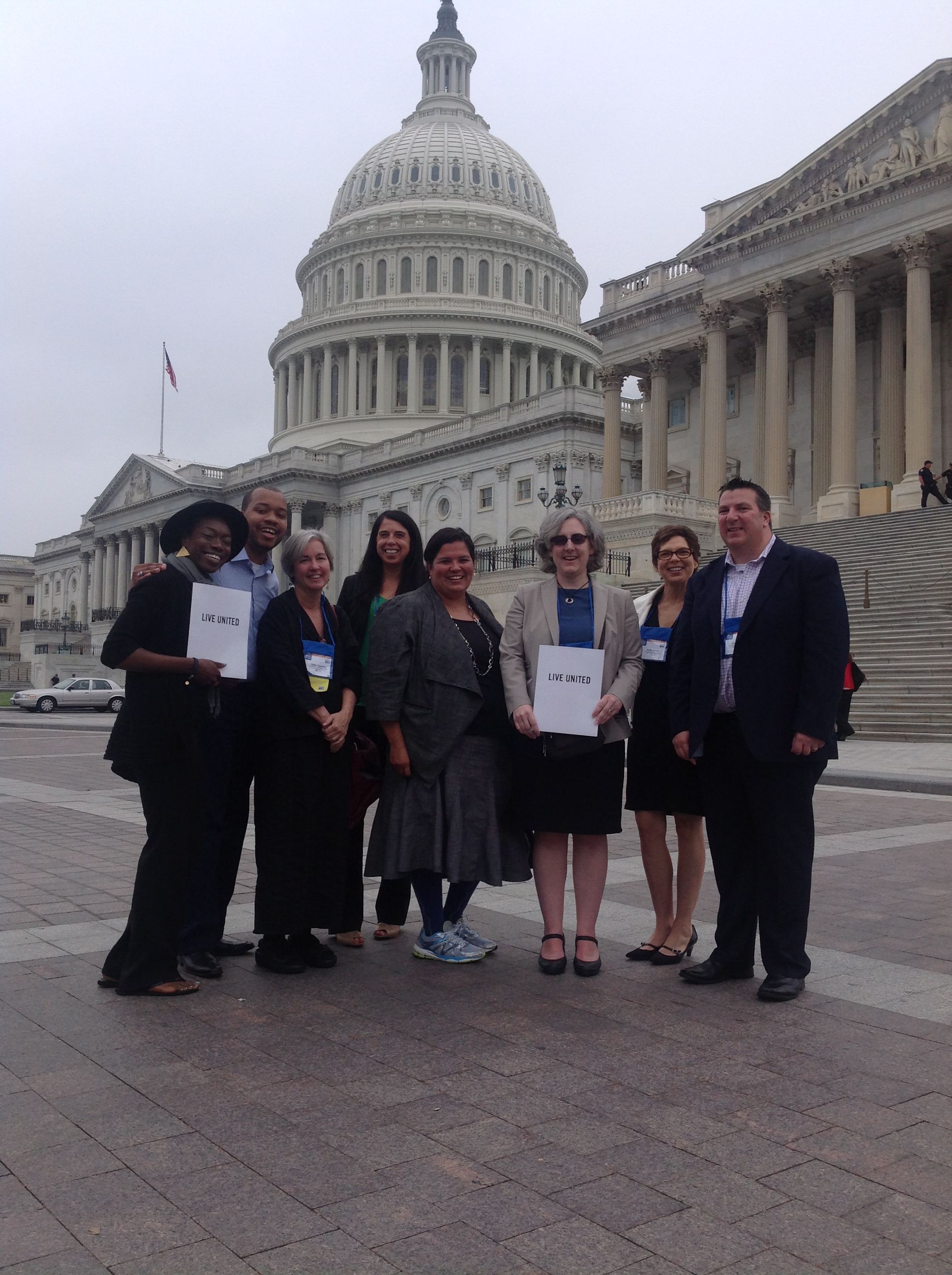
Seven of my host company co-workers and I, joined with over one-thousand advocates May 14th to raise our voices for working families across the country. We bussed our way to Capitol Hill to talk with State Representatives, Senators and staff about the issues that matter most to our region. I was initially very nervous; scared that my lack of political knowledge would overshadow my passion for community change. So nervous that I watched a few School House Rock videos on the bus ride!
Upon our arrival on the Hill I felt my nervousness eased by the cheers and smiles of the multitude of United Way employees. In the midst of the group picture preceding our decent onto the Hill, the crowd started signing we shall overcome. In that moment I realized how important it is to stand in solidarity and speak for those who couldn’t make it to Capitol Hill. I carried this motivation with me as the day progressed. We visited the offices of Senator Carl Levin, Representative Gary C. Peters, Representative John Conyers Jr., Representative Sander Levin and others .
We walked from building to building, office to office, discussing the importance of many initiatives:
- The continued support for early childhood programs, such as our United Way SEM Little Steps program and Early Learning Communities.
- The Community Volunteer Income Tax Assistance Program (VITA), which funds volunteers to become IRS-certified tax preparers and help low-wage people file tax returns for free. Most families benefiting from VITA earn less than $40,000/year, and include people with disabilities, limited-English speakers and the elderly.
- Tax reforms that help working families, including expanding incentives for charitable giving in the U.S. tax code, strengthening the Earned Income Tax Credit, which helps low-wage working families keep more of what they earn, and the Child Tax Credit, which helps families offset the cost of raising children. Research shows that the two tax credits lifted 9.4 million people out of poverty between 2009 and 2011.
Through the Hill Day experience I learned that social studies wasn’t just about about war dates and naming governing bodies. It’s really about beliefs and conversation; it’s about sharing past and future narratives and perspectives to change lives (for better or worse). I learned that only with the cooperation of individuals and organizations from all sectors (even those not well versed in politics) will we make the lasting change our region needs. It simply requires all of us to raise our voices – in big and small ways – to make sure decision makers understand the community’s challenges and act accordingly. You don’t have to visit Capitol Hill or even watch School House Rock to understand or be a part of political change. Simply use your voice to talk about issues that concern you, find a group of people with similar beliefs and then take action. Whether it’s through an organization, a community conversation, a policy conference or a chat with your neighbor get the conversation started today. Change starts with you.