
You hear a lot about urban gardening and urban agriculture in Detroit. There’s something undeniably symbolic and hopeful in watching new, green life thrive in the vacant lots of what was once the United States’ fourth largest city.
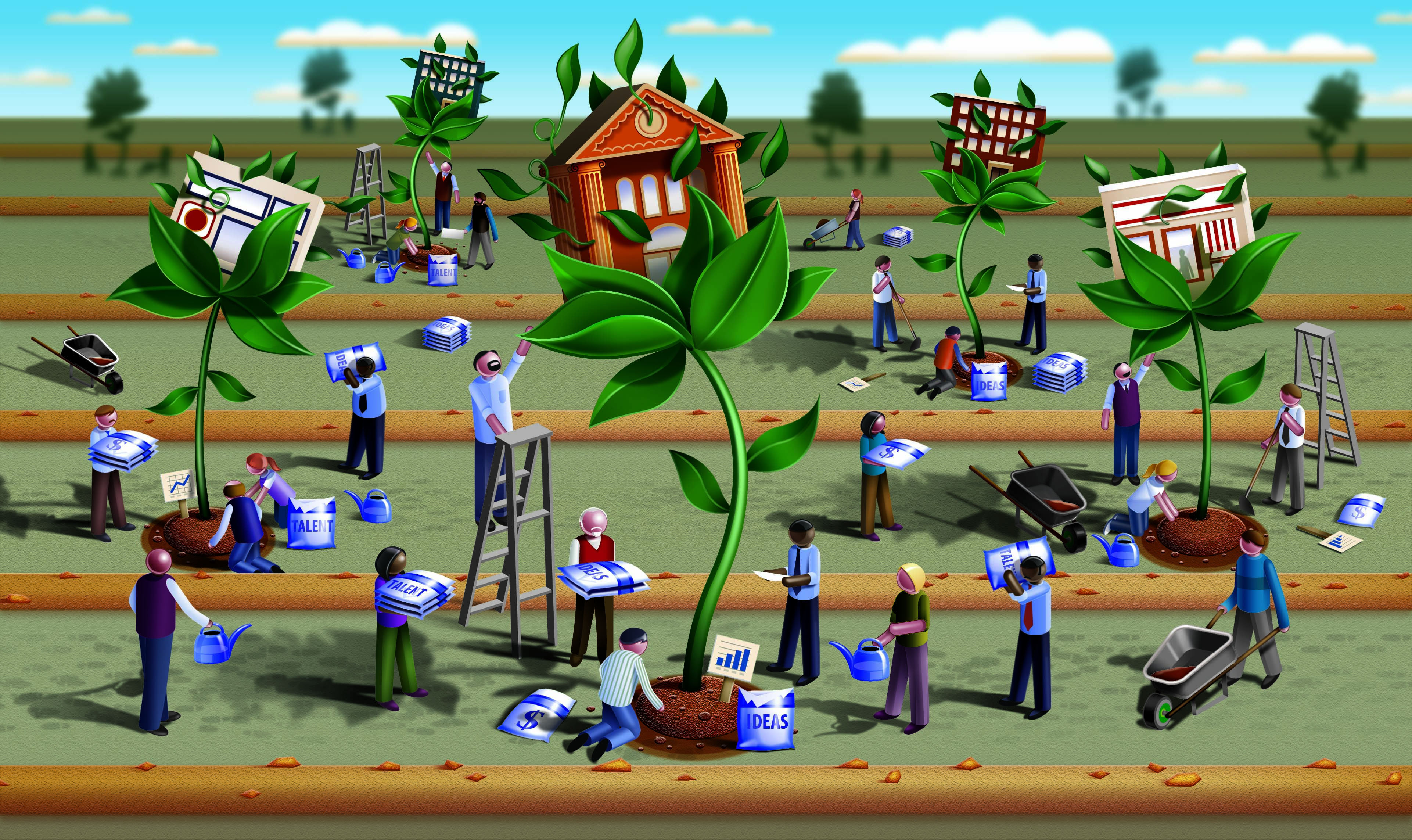
You wouldn’t know about it from the news, but there’s another kind of gardening sprouting up in Detroit: economic gardening. Although less suited for poetic metaphors of rebirth, the economic gardening movement is an important one, and has the potential to harness the can-do attitude of Detroiters and turn it into economic prosperity.
To really understand economic gardening, we need to back up and take a look at the larger discipline of economic development (something I am learning a lot about through my work with the Michigan Economic Development Corporation). Economic development is most easily described as: “the process by which a community creates, retains, and reinvests wealth to improve the quality of life.” In a state like Michigan with strong industrial roots, economic development has traditionally focused on the “create” portion of that definition- offering incentives for big industries to build or relocate their factories and industrial hubs in Michigan. While this kind of economic development is important, it looks outside the region or state to essentially import industry and the jobs that come with it.

Economic gardening, on the other hand, is a grow from within strategy, targeting existing businesses to help them grow. Instead of looking to Ohio or Kansas or even China to attract business, the existing business base is given the support it needs to generate new jobs and retain wealth in a community.
From the DEGC to Tech Town to ProsperUS, there are a number of initiatives to do just that in the city of Detroit. From an anecdotal perspective, hardly a week goes by that I don’t pass a newly-opened restaurant or boutique on my way to work, or hear of a local entrepreneur who has just opened their doors and is doing great things in the city.
In Detroit, economic gardening means investing in hardworking people who understand the needs of their communities, and are dedicated to strengthening those communities. Economic gardening to me represents a key piece of the Detroit Revitalization puzzle, and will without a doubt produce the key economic players of Detroit’s future.
Here’s to gardening (of all kinds) in Detroit!